Why Your Feet Matter More Than You Think
Your footwork is the foundation. Everything else — the hip movement, the arm positioning, the timing — builds on what your feet are doing. Get it wrong, and you're fighting against your own body for the entire dance. Get it right, and everything feels natural.
We've watched hundreds of beginners come through, and we see the same foot problems again and again. Not because people aren't trying hard. It's just that certain habits form fast, and once they're locked in, they're tough to break. The good news? We know exactly what to fix, and it doesn't take months.
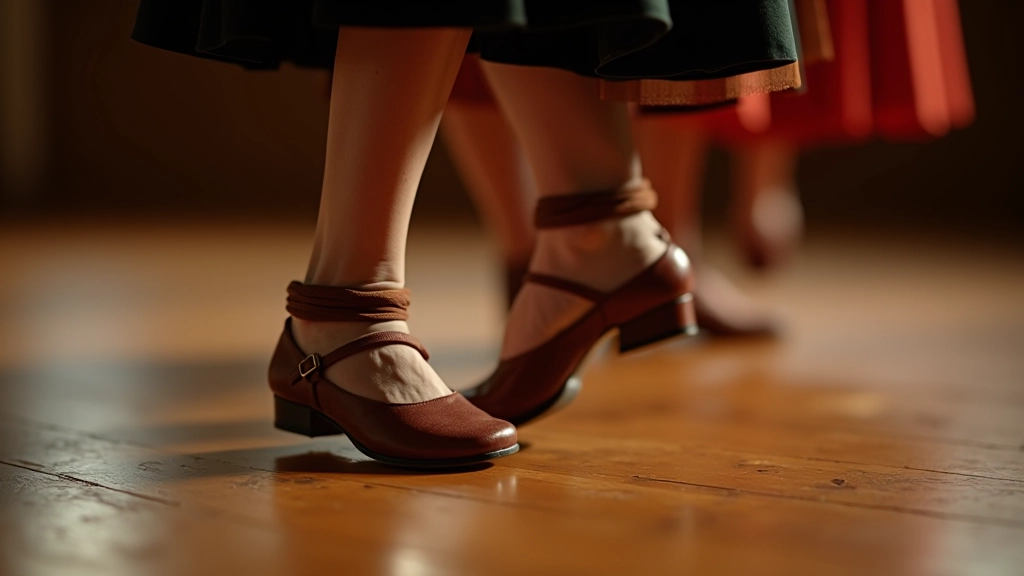
Mistake #1: Leading With Your Toes
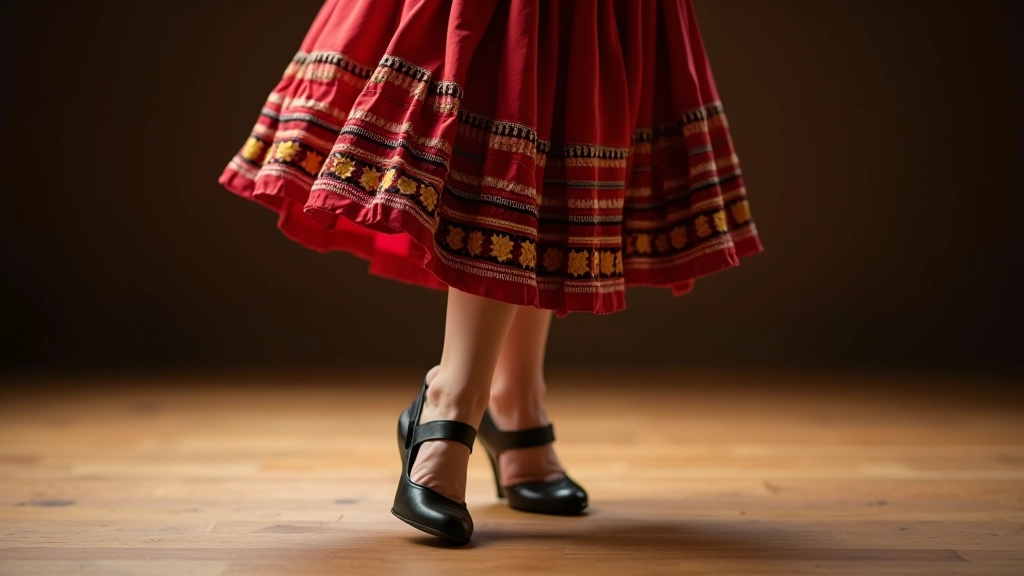
This one shows up constantly. Beginners roll onto their toes and stay there, weight forward. It throws off your balance, kills your stability, and makes every other move harder. You're working twice as hard to do half as well.
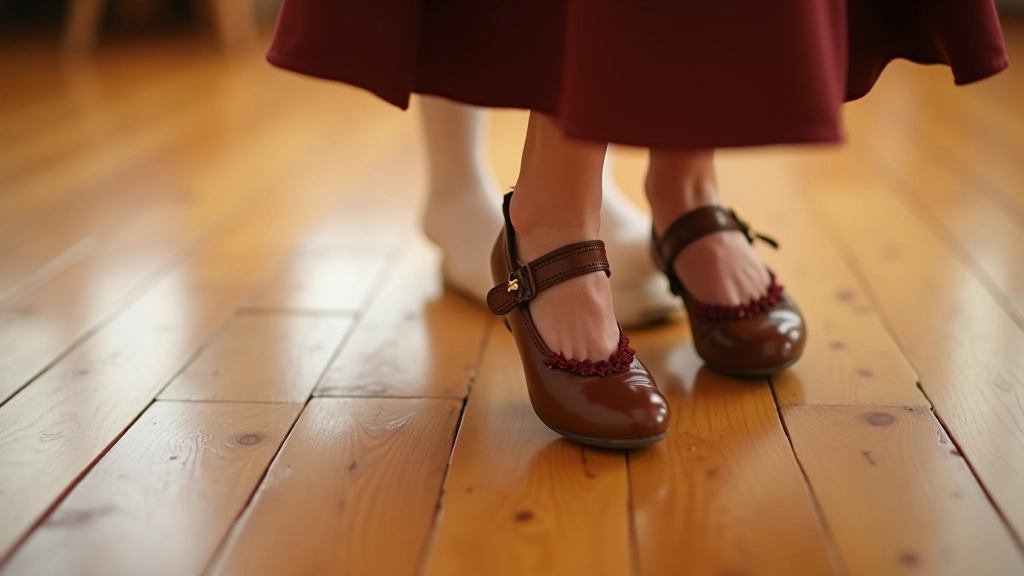
Here's the fix: Start on your heels. We mean that literally. When you step, your heel touches first. Let your weight settle there. Then — only then — you roll through to the ball of your foot. It's a sequence, not a jump. Most people get this right in about two weeks of consistent practice. Three sessions a week, you'll notice the difference by week three.
Quick Check: Stand in your starting position. Press down through your heels. You should feel stable, not tipping forward. If you're on your toes, you're not ready to move yet.
Mistake #2: Taking Steps That Are Too Wide
You want to look powerful. We get it. So you extend that leg out, take a big step, and think you're nailing it. But big steps actually slow you down. They also mess with your rhythm connection to the music, because you're fighting the beat instead of riding it.
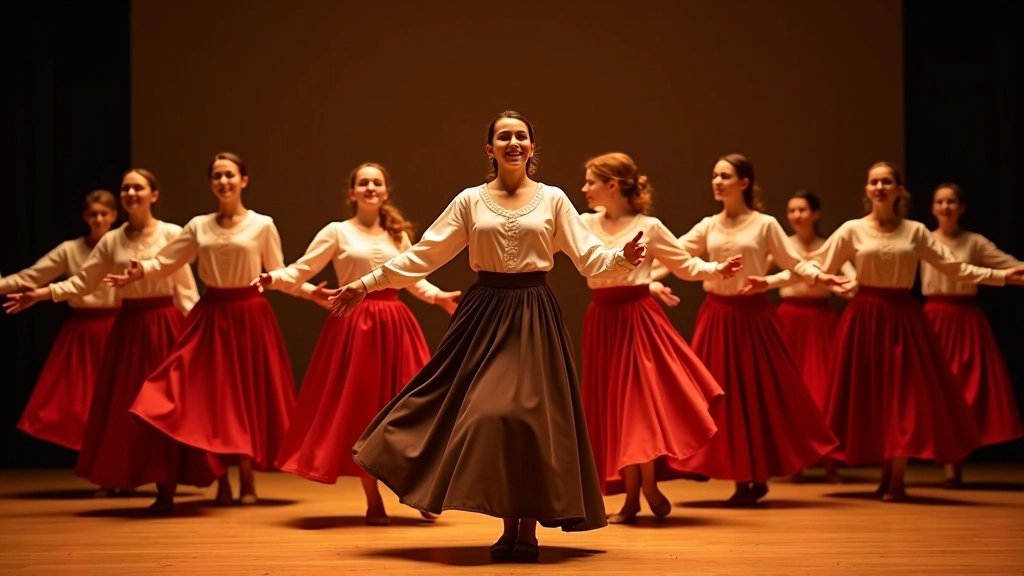
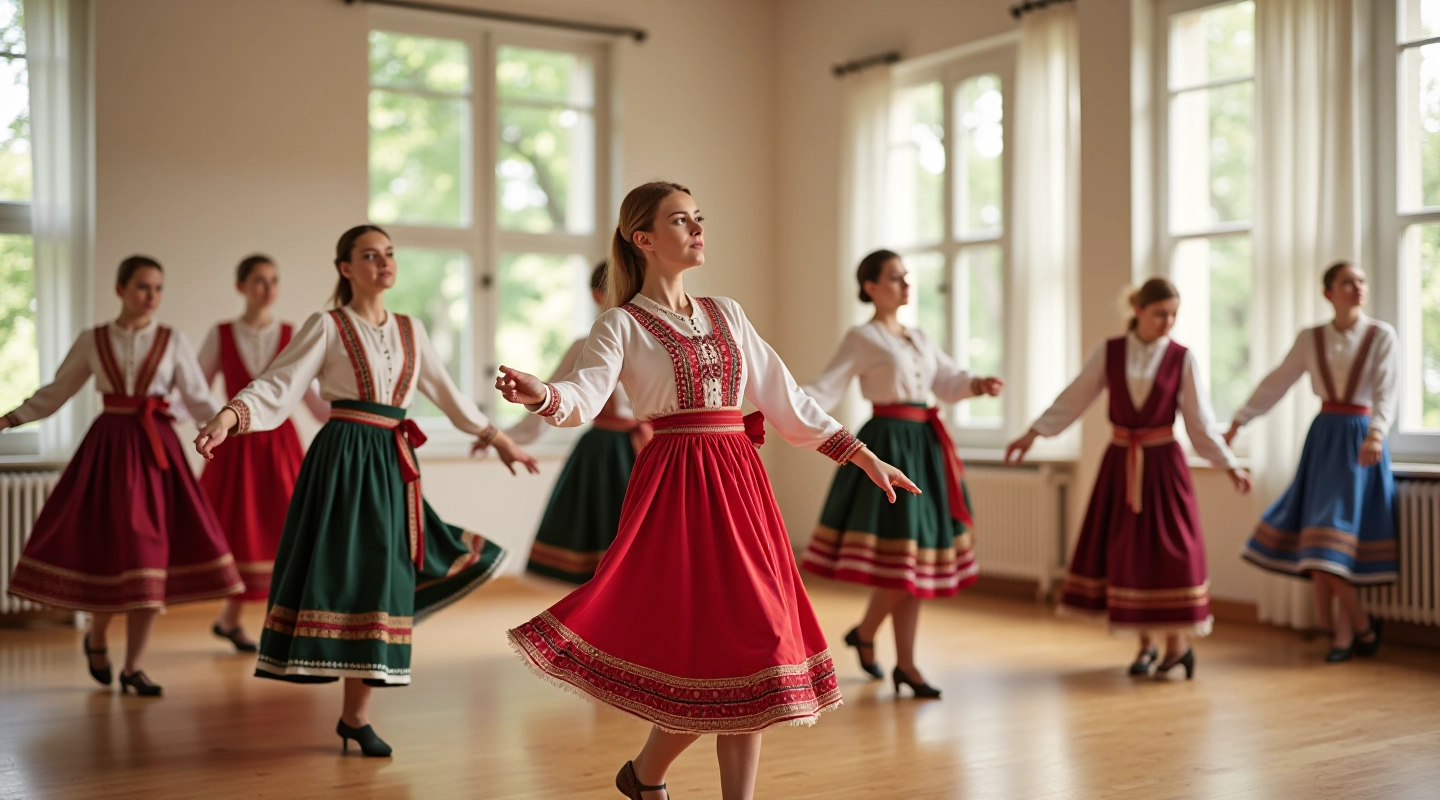
Traditional folk dance footwork is compact and controlled. Your steps should be about hip-width or slightly narrower. You're moving efficiently, not covering maximum ground. Think of it like a marching band versus a sprinter. The marcher has precision. The sprinter has distance. We want the marcher.
The rhythm stays tighter. Your balance stays centered. And — this matters — you've got room to adjust on the fly. Wide steps commit you. Controlled steps give you options.
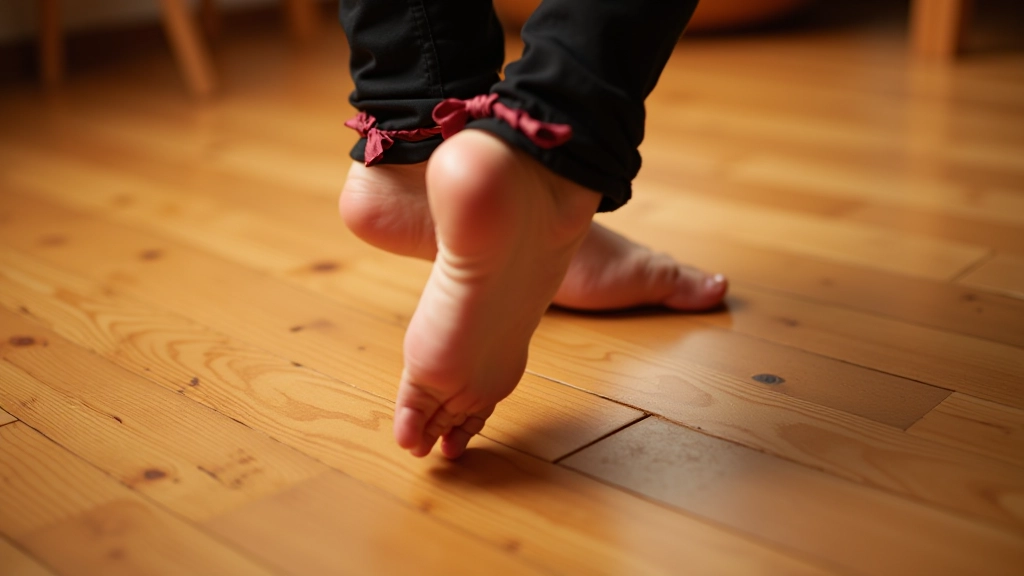
Mistake #3: Losing Your Rhythm Between Steps
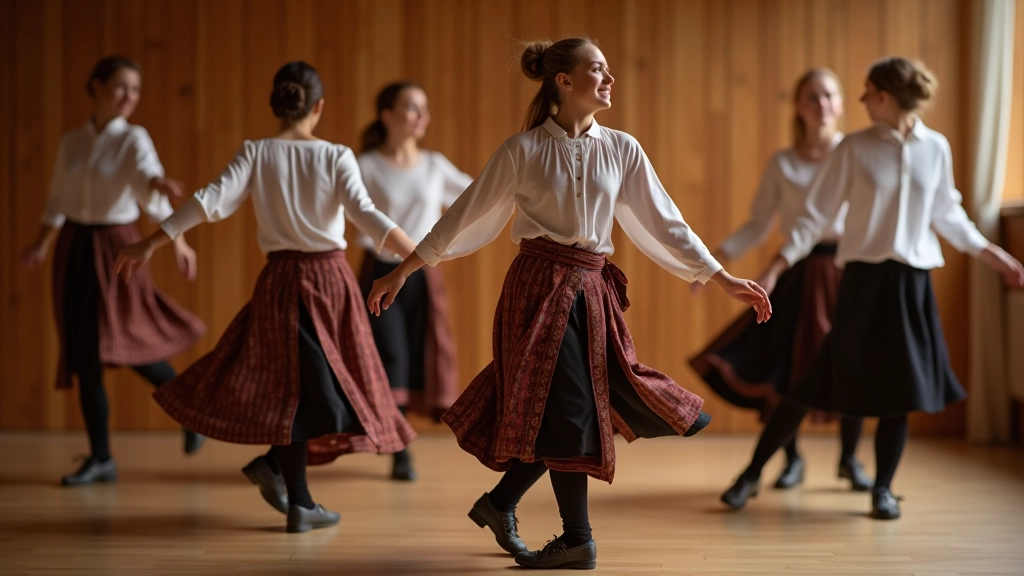
This is the sneaky one. You learn the footwork pattern, you can do the steps, but then you lose the beat. Your feet are doing one thing and the music is doing another. It happens because people focus so hard on the mechanics that they forget to stay connected to the rhythm.
The fix involves two parts. First: practice with music from day one. Not in silence. Not at half-speed (well, sometimes half-speed is fine, but always return to full tempo). Second: your feet move to the beat. Every single step should land on a count. There's no coasting between counts. It's step-step-step-step, each one marked, each one intentional.
Count out loud when you're practicing solo. Yes, it feels silly. Do it anyway. Your body learns the rhythm faster when your voice is involved. After a few weeks, you won't need to count anymore. The beat will live in your feet.
Individual learning outcomes vary from person to person. These techniques provide a solid foundation, but your specific progress depends on consistent practice and personal attention during sessions.
Getting Started This Week
You don't need to fix everything at once. Pick one mistake — probably the heel-first step if you're just starting. Spend two or three sessions focused only on that. Let it become automatic. Then move to the next one.
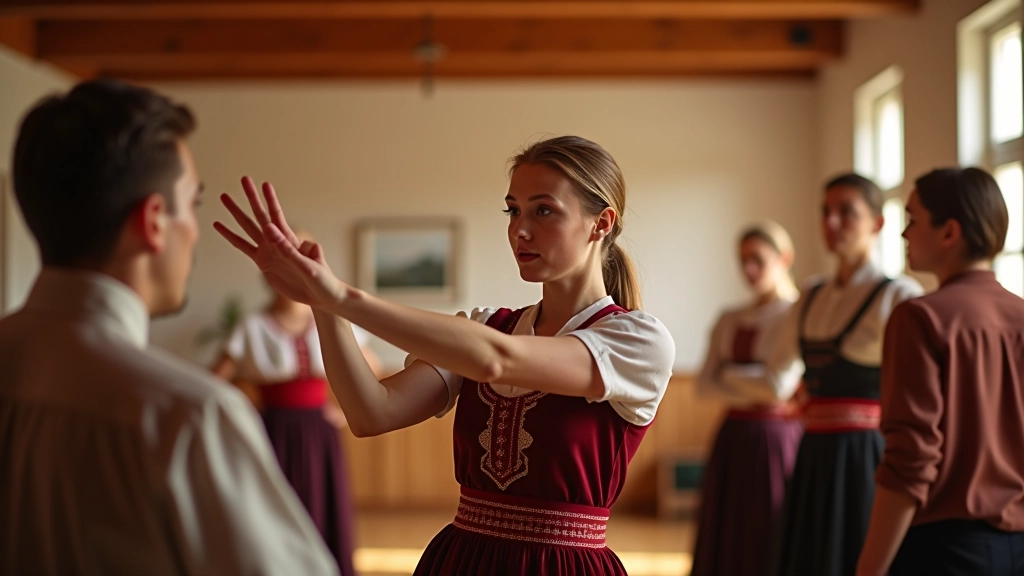
Tell your coach what you're working on. They'll watch for it, give you real-time feedback, and catch the moments when you slip back into old habits. That's what they're there for. And it actually speeds things up. Within six to eight weeks of focused work, you'll feel completely different in your footwork. You won't be thinking about it anymore — you'll just be dancing.