
Fundamentals
Getting Your Footwork Right From the Start
Learn the basic foot positions and transitions that form the foundation of traditional dance. We break down each movement step by step.
Read the guideAbout Our Work
Our team researches, tests, and documents the fundamental techniques and rhythms that make traditional dance accessible to learners in Klaipėda and beyond.
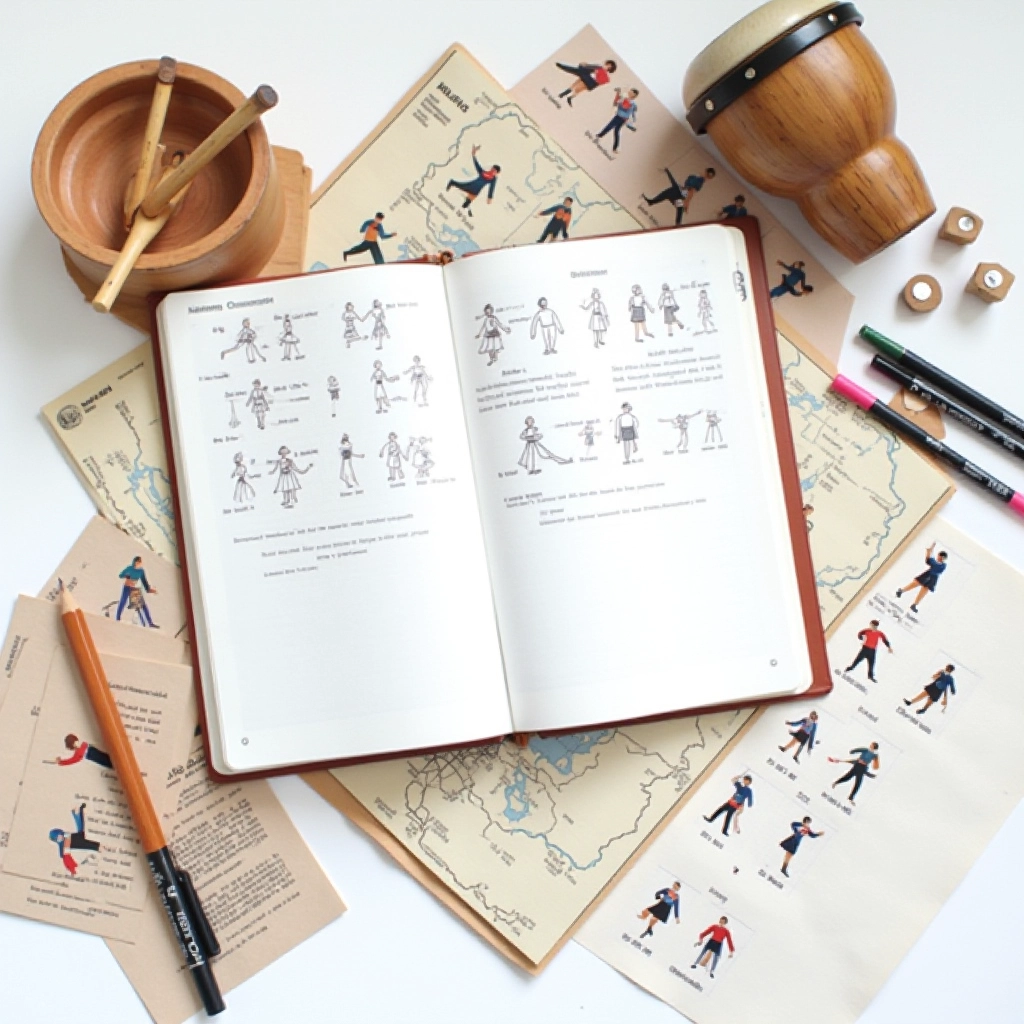
Our Story
We created this site because learning traditional dance shouldn't feel mysterious. Too many guides skip the fundamentals or assume you already know what a specific rhythm pattern feels like. We wanted to change that.
The team started by documenting what actually works. We researched traditional Lithuanian folk dance techniques, consulted movement documentation, and watched how learners responded to different explanations. Some descriptions that sound clear on paper don't translate well to actual practice. So we test everything—not just once, but regularly.
Our focus is Klaipėda and the traditional rhythm and step patterns that form the foundation of authentic folk dance. We believe these techniques deserve clear, honest instruction. No shortcuts. No pretending that footwork mastery happens overnight. Just practical guidance that respects both the tradition and the learner's time.
Quality Standards
Our editorial process focuses on accuracy, clarity, and practical usefulness for dancers at every level.
We verify footwork patterns against documented traditions and test descriptions for clarity. Each step gets broken down into movements that actually work when you're learning.
Rhythm notation gets checked multiple times. We make sure count patterns match the actual music and that our explanations help dancers feel the beat naturally.
We research the background of each dance form and rhythm. Learners deserve to understand why they're moving the way they are, not just copy movements.
We test how solo techniques translate to ensemble work. Coordination matters, and we make sure our guidance prepares dancers for actual group classes.
Technical terms get explained. We avoid jargon unless it's unavoidable, and when we use it, we make sure learners understand exactly what we mean.
We review content seasonally and incorporate feedback from learners. Dance instruction improves when you pay attention to what actually works in practice.
Editorial Principles
If you're new to folk dance, our guides should make sense. We don't assume prior knowledge. We explain what's important and why, then walk through the actual steps you need to practice.
Footwork mastery takes weeks of practice. Rhythm coordination takes longer. We don't pretend shortcuts exist. What we do offer is a realistic timeline and clear progress markers so you know you're improving.
Lithuanian folk dance isn't just exercise. It's cultural practice with real history. We research that background and include it because understanding context makes learning deeper.
Every guide gets reviewed before it's published. We test descriptions with actual learners. We update information when we find something that could be clearer. Accuracy matters more than speed.
Explore Our Guides
Our most popular guides for dancers getting started with traditional Lithuanian folk dance techniques.
Learn the basic foot positions and transitions that form the foundation of traditional dance. We break down each movement step by step.
Read the guideRhythm drives traditional dance. We explain counting patterns, how to feel the beat, and how rhythm connects to footwork.
Read the guideProper posture makes everything easier. Discover how to position your body for balance, power, and authentic traditional form.
Read the guideDancing alone feels different than dancing with others. Learn how to adapt your technique for ensemble work and group coordination.
Read the guideWant to explore more? Check out our full guide collection organized by topic and skill level.
View All GuidesQuestions
Have questions about our guides or feedback on the content? We'd like to hear from you.
Our team reviews messages regularly and will respond to questions about folk dance instruction, guide clarity, or site feedback.
Send us a message