Why Posture Matters in Folk Dance
You've probably heard it before: "Stand up straight." But in folk dance, posture isn't just about looking good. It's the foundation for everything else you'll do. Good alignment means your movements flow naturally, your stamina lasts longer, and you're way less likely to hurt yourself. When your posture is off, you're working twice as hard for half the effect.
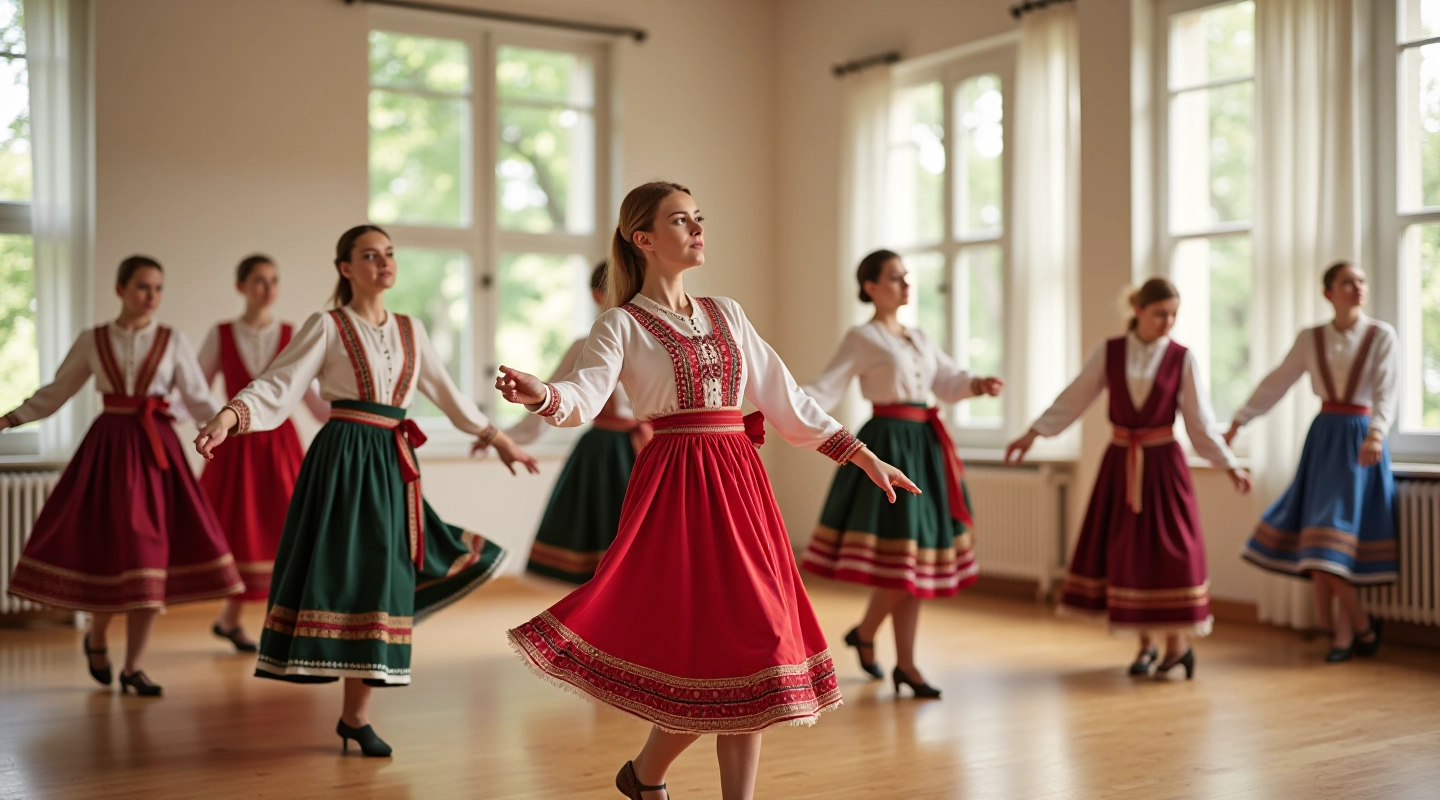
The thing is, folk dance posture isn't like ballroom or ballet. It's more relaxed, more grounded. You're not trying to look like a statue. You're trying to move with control and confidence while keeping your body engaged and ready for the next step.
The Four Pillars of Good Posture
Think of posture as having four key points. When these line up, everything else gets easier.
Head and Neck
Your head should sit naturally on top of your spine, not jutting forward. Look straight ahead, not down. It sounds simple, but most beginners lean their heads forward without noticing. This creates tension and throws off your whole balance.
Shoulders and Chest
Keep your shoulders relaxed and back, not hunched. Your chest is open, ready to move. In traditional folk dance, you're not rigid, but you're engaged. Think of it as standing with quiet confidence, not stiffness.
Core and Hips
Your core is gently engaged—not clenched, but active. Your hips are level, not tilted forward or back. This is where your stability comes from. When your core is weak, your whole body compensates in bad ways.
Legs and Feet
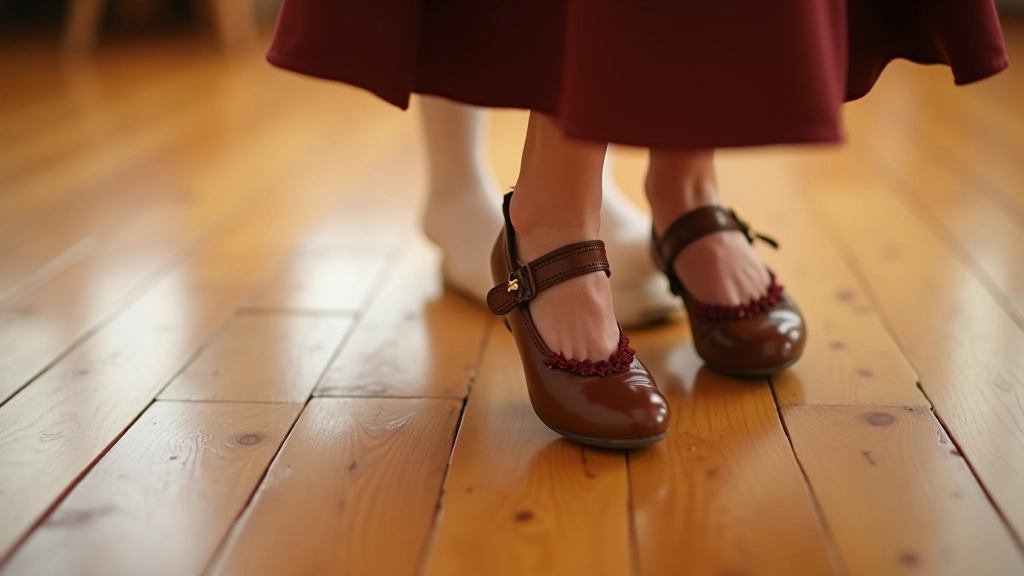
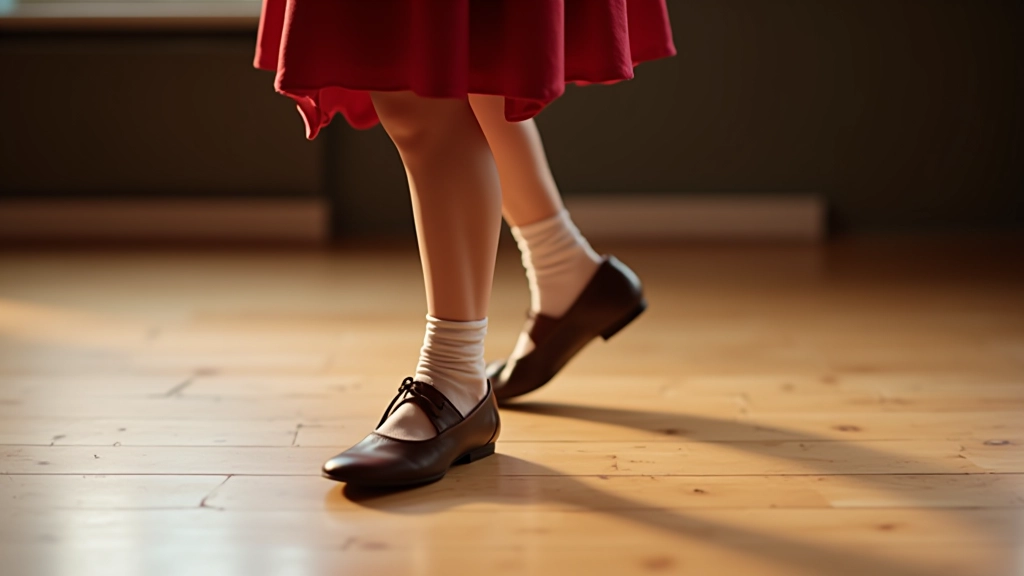
Stand with your feet about hip-width apart. Your weight should be balanced between both feet, never locked at the knees. Your feet are your foundation. If they're sloppy, everything above them suffers.
The Most Common Mistake
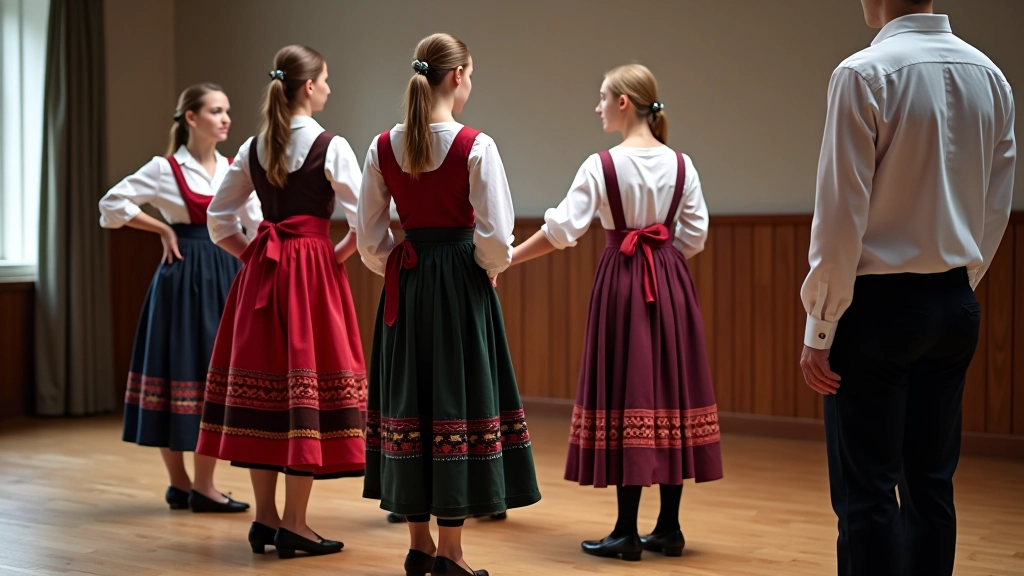
Beginners lean their hips forward. It's so common we see it in almost every class. When you lean forward from the hips, you're fighting against gravity instead of working with it. Your back gets tired, your movements look jerky, and you can't turn properly. The fix? Imagine a plumb line running straight down from the top of your head through your body to the floor. Everything should stack on that line.
How to Fix Your Posture Right Now
You don't need special equipment or complicated exercises. Just practice awareness.
- 1 Stand in front of a mirror. Look at yourself from the side. Are you leaning forward? Back? Does your head jut out?
- 2 Imagine that plumb line. From the crown of your head straight down through your hips to the middle of your feet.
- 3 Do this 30 seconds a day. Just stand. Feel it. Don't overthink it. Your body learns through repetition, not perfection.
- 4 When you're dancing, check yourself mid-session. Feel your shoulders. Are they tense? Relax them. This gets faster with practice.
"Posture isn't something you fix once and forget about. It's something you return to every single session. The dancers who improve fastest are the ones who check themselves regularly and adjust. It becomes automatic after a few months."
Posture Through Different Movements
Good posture doesn't mean staying frozen. It means maintaining alignment while you move. Here's how it adapts:
During Turns
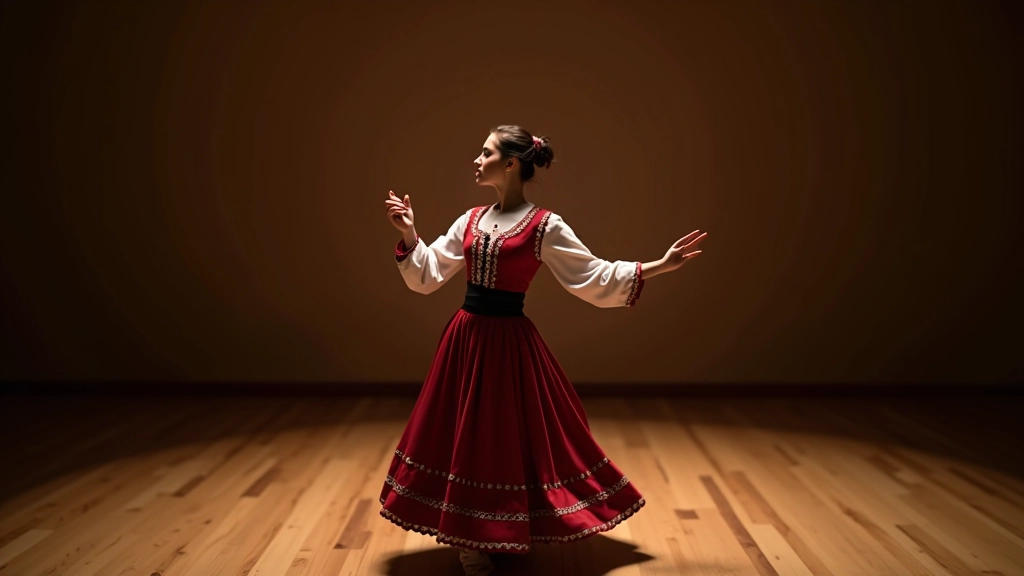
Your core stays engaged and centered. You rotate from your hips and shoulders together, not just your shoulders. Your head follows your body on the turn—this helps with balance.
In Low Movements
When you bend your knees for lower steps, your back stays straight. You're bending from the knees and hips, not rounding your spine. This protects your back and keeps you stable.
With Arm Patterns
Your posture doesn't change when your arms move. Arms are separate from your core stability. If you find yourself shifting when you raise your arms, you need stronger core work.
A Note on Individual Variation
Individual learning outcomes and physical capabilities vary from person to person. If you experience pain or discomfort while practicing, stop and consult with your instructor or a healthcare professional. Everyone's body is different, and what works for one dancer might need adjustment for another. The guidance here is educational and should be adapted to your personal needs and physical condition.
The Path Forward
Good posture isn't complicated. It's not something you achieve and then ignore. It's a habit you build. Start with awareness. Stand in front of a mirror. Feel your body. Notice what's off. Then, slowly, deliberately, practice the alignment. In a few weeks, you'll feel the difference. Your movements will flow better. You'll have more stamina. And you'll look like someone who knows what they're doing.
The dancers who progress fastest aren't the ones with the best genetics. They're the ones who pay attention to the basics. Posture is the foundation. Everything else builds on top of it.