Why Group Formations Matter
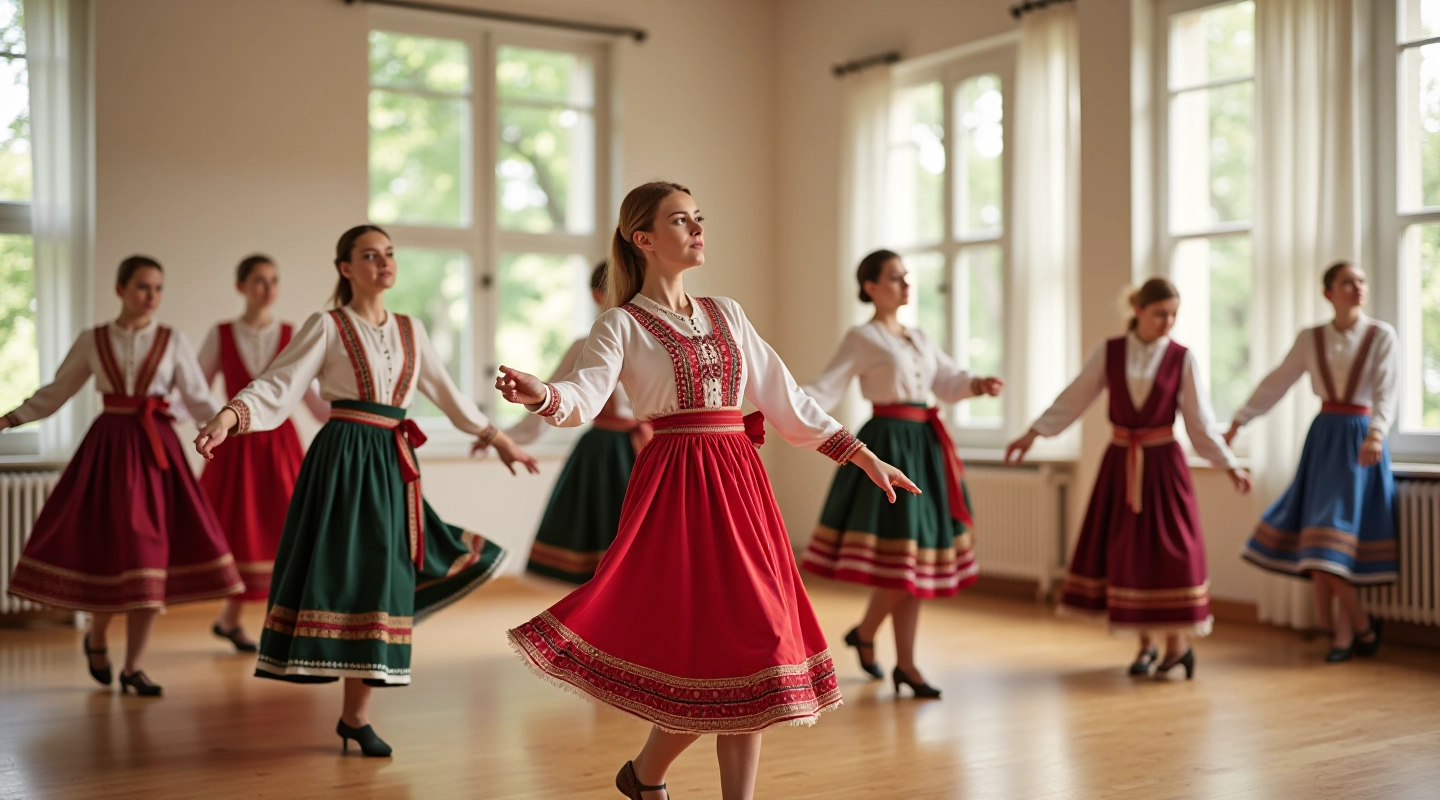
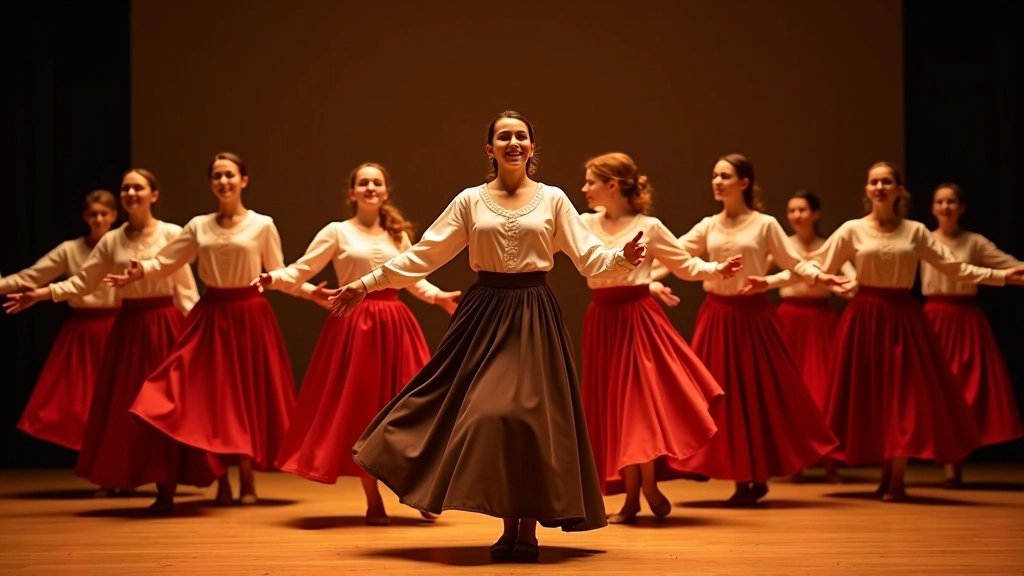
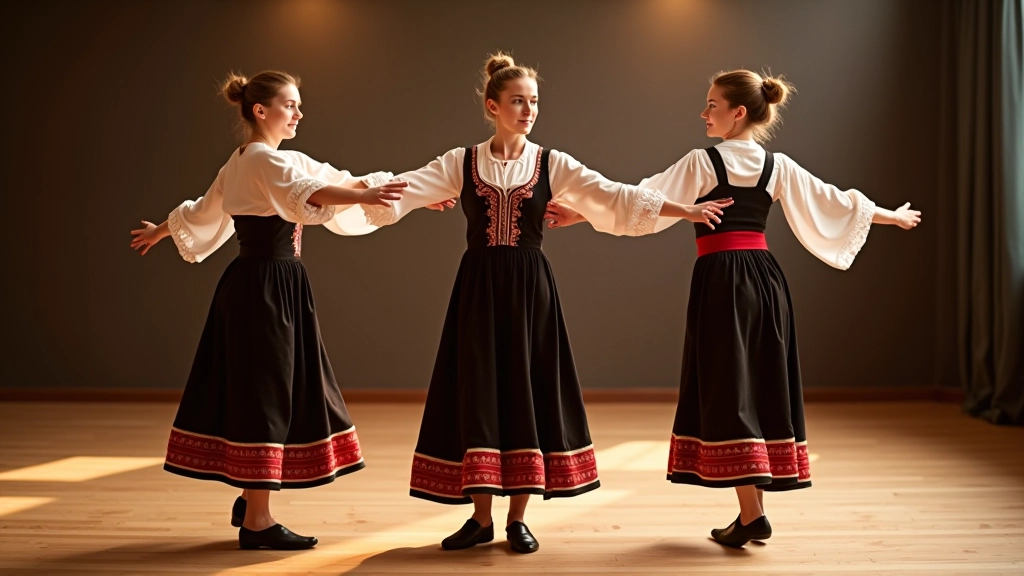
Dancing alone teaches you the fundamentals. But the real magic happens when you join others. Group formations aren't just about looking impressive — they're about learning to adapt, to listen, and to move as one unit.
When you're part of a formation, you can't hide behind a single perfect step. Instead, you're navigating spacing changes, tempo variations, and directional shifts that your solo practice never prepared you for. It's challenging at first. But it's also where folk dance becomes genuinely rewarding.
The transition typically takes 4-6 weeks for most learners. You'll feel awkward initially. That's completely normal. Most dancers report real confidence after about eight group sessions.
The Three Core Challenges
Understanding the obstacles ahead helps you prepare mentally. Most dancers struggle with three specific areas when moving to group formations.
Spacing and Proximity
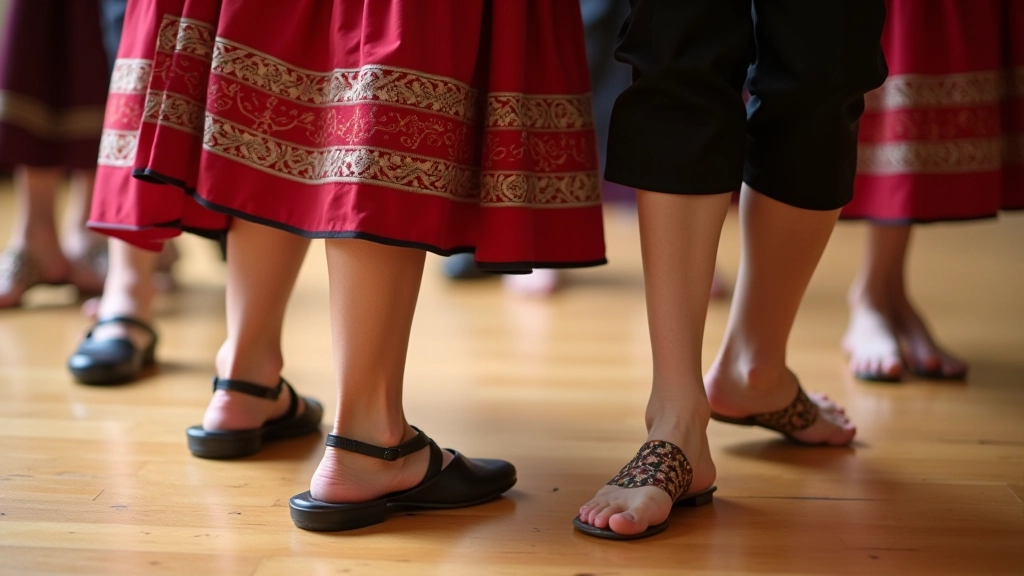
In solo practice, you have unlimited space. In a group, you're typically 12-18 inches from the dancer beside you. That's close enough to feel their movement but far enough that you can't rely on them. You've got to maintain your own balance while staying aware of their position. This requires a completely different body awareness.
Synchronization Pressure
When everyone moves at slightly different speeds, formations collapse. One person drifting inward changes the whole geometry. The pressure to match the group's tempo while staying grounded in your own technique creates mental fatigue early on. Most beginners report feeling exhausted after their first few group sessions — not from the dancing itself, but from the concentration required.
Direction Changes
Turning as a unit, switching positions, and responding to leader cues all happen simultaneously in formations. You're thinking ahead two steps, executing one, and responding to what's happening behind you. This multi-directional awareness doesn't exist in solo work.
The First Three Steps
- Establish your anchor position. Know exactly where you stand relative to two specific dancers — usually the person directly beside you and one ahead. Don't try to watch everyone.
- Find your rhythm independently first. Don't match the group immediately. Execute your steps cleanly, then gradually sync with the collective timing over several rounds.
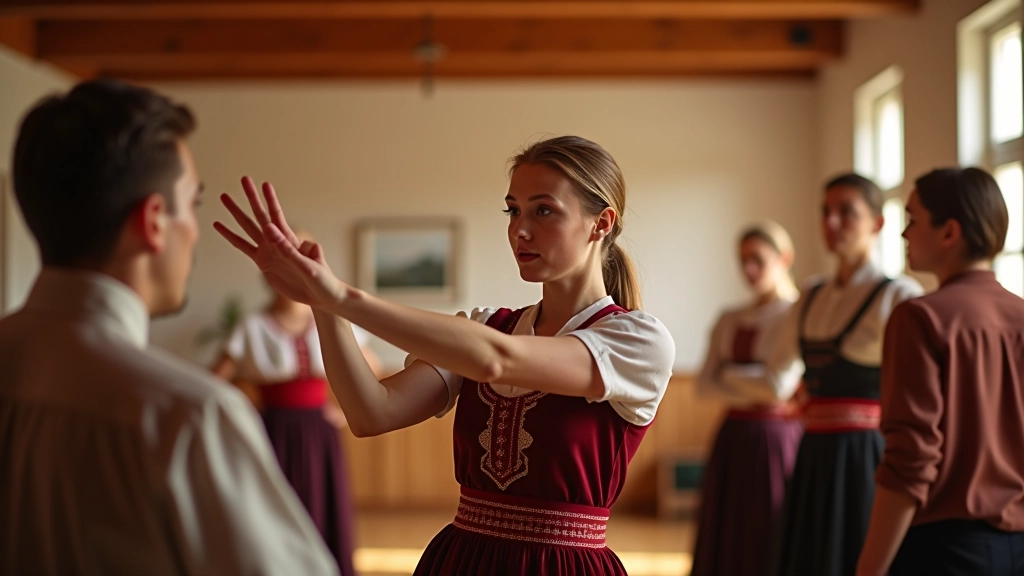
- Ask for feedback on spacing. You can't see yourself from outside. Ask the instructor or a trusted peer if you're drifting. This takes courage, but it's how you improve fastest.
Building Muscle Memory for Formations
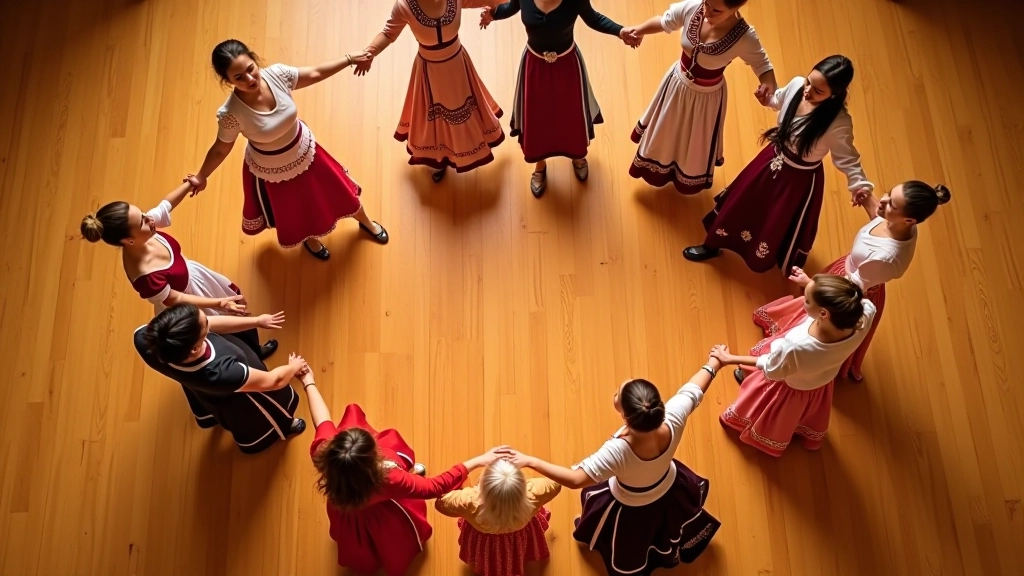
Your body learns formations differently than solo steps. When you're dancing alone, you're perfecting individual mechanics. In a group, you're learning position awareness, timing adjustments, and peripheral vision coordination all at once.
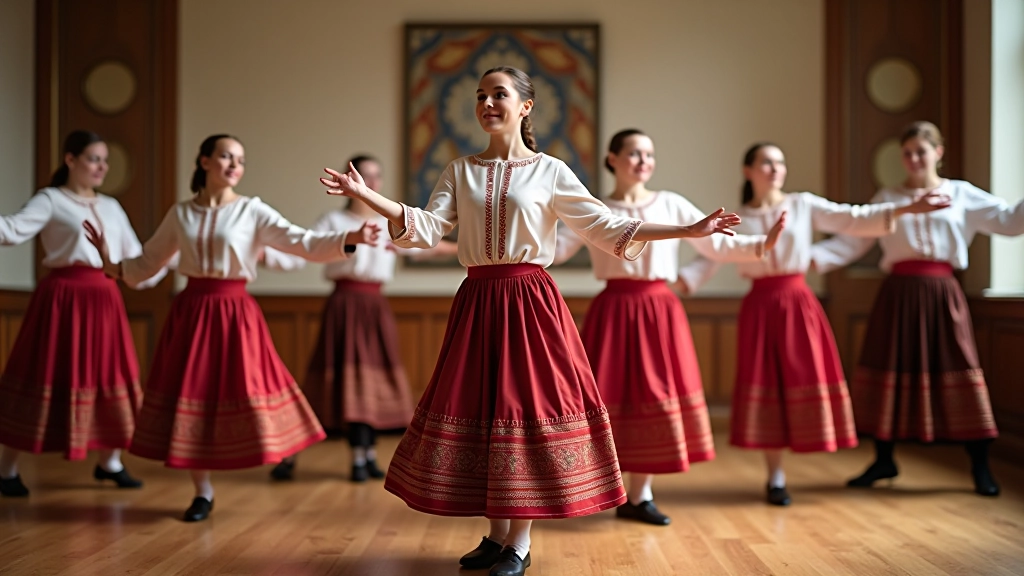
The best approach? Practice the same formation repeatedly rather than learning five different ones. Your first month should focus on mastery of 2-3 standard patterns. Most traditional folk dance groups use the same core formations across multiple songs. Once those become automatic, adding new patterns becomes much easier.
Attend sessions consistently. Sporadic practice doesn't build formation memory. Three sessions per week spaced 2-3 days apart gives your nervous system time to consolidate the learning between classes. You'll notice the difference around week four.
Mental Techniques That Actually Work
The physical transition to formations is challenging. The mental transition is often harder. Your brain isn't used to dividing attention this way.
Try this: Before each session, identify one specific thing to focus on. Not "dance better in formations," but "keep my shoulders level during the turning sequence" or "don't drift inward on the final step." This single-point focus reduces overwhelm significantly. Your body will naturally adjust other elements while you concentrate on that one detail.
Also, accept that you'll make mistakes. Everyone does. The difference between dancers who improve quickly and those who struggle is how they respond to errors. If you step wrong, just reset for the next phrase. Don't get caught up in replaying the mistake.
Learning Note: Individual learning outcomes vary from person to person. The timelines and progression described in this guide reflect typical learner experiences but aren't universal. Some dancers progress faster in formations; others need additional time. Work at your own pace and communicate with your instructor about your progress.
Making the Leap
The jump from solo to group dancing feels enormous at first. You're managing new variables, new pressures, and new ways of thinking about movement. But that's exactly where folk dance becomes community. You're not just learning steps anymore — you're learning to move with other people, to trust them, to create something together that none of you could create alone.
Start with patience. Focus on one challenge at a time. Attend regularly. Ask questions. And remember that every experienced dancer in your group started exactly where you are now. They're watching you figure it out, and most of them remember what this phase felt like.
You've already done the hardest part — showing up to solo classes and building your foundation. Formations are just the next step, not a different skill entirely. Trust what your body already knows.