
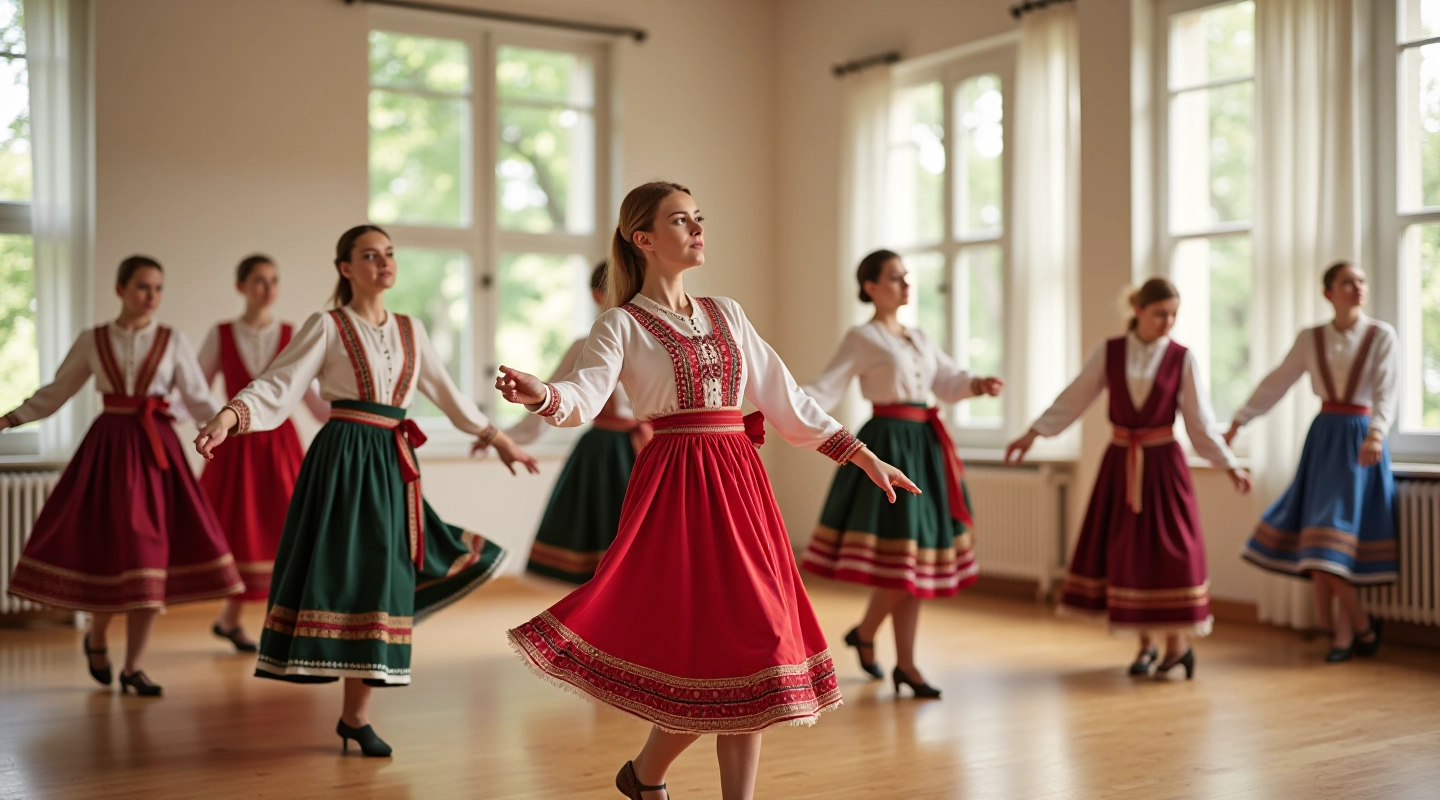
Getting Your Footwork Right From the Start
The three most common mistakes beginners make with their feet—and exactly how to fix them.
How rhythm connects to movement. We break down the counting system used in traditional Klaipėda dance groups and why it matters for your training.
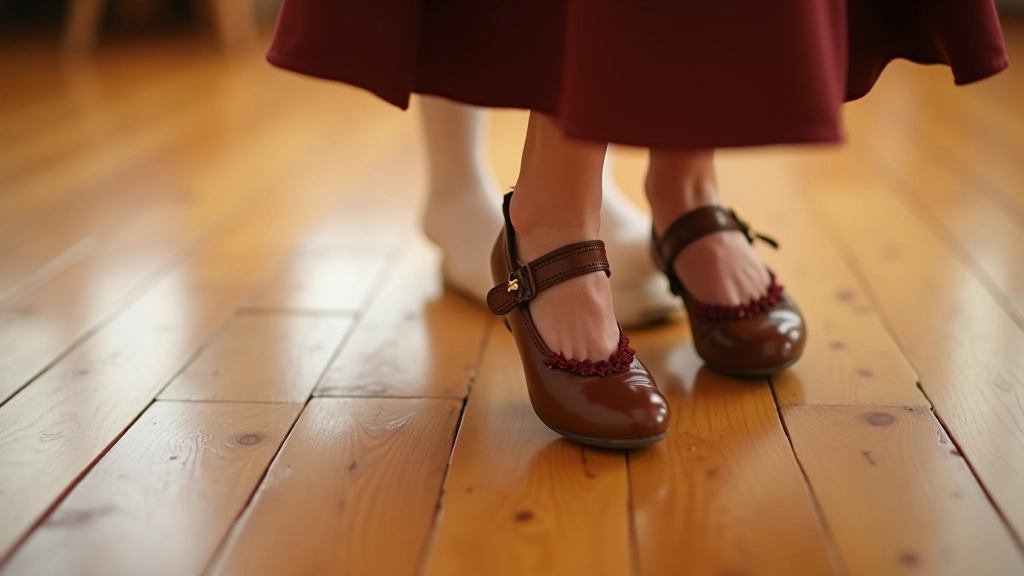
When you're learning folk dance, rhythm isn't something that happens in the background. It's the foundation. Every step, every turn, every transition relies on understanding the beat and the patterns built on top of it. We're going to walk you through how rhythm actually works in traditional Klaipėda dance groups—the counting systems, the patterns, and most importantly, how to make your body feel it naturally rather than just counting in your head.
Most of the patterns you'll encounter in Klaipėda folk dance sit in either 4/4 or 2/4 time. Here's what that actually means: 4/4 time gives you four beats per measure, which feels pretty natural if you've heard Western music before. 2/4 is half that—two beats per measure, faster, snappier. The thing is, when you're dancing, you're not really thinking about "measures" or "beats per measure." You're feeling the pulse.
In group classes, the instructor calls out counts: "One, two, three, four" or "One, two." Your feet hit the ground on those counts. But here's where it gets interesting—there's always an underlying pulse beneath those counts. That pulse is what keeps the whole group together. If you're listening only to the counts and not feeling the pulse, you'll be off by half a beat. It's subtle, but dancers around you will feel it.
The best approach? Start by counting out loud in rehearsal. Say the numbers. Get them into your muscle memory. Then, gradually let the counting fade into the background while you keep feeling that pulse. By week three or four, you shouldn't need to count anymore—your body just knows where beat one is.
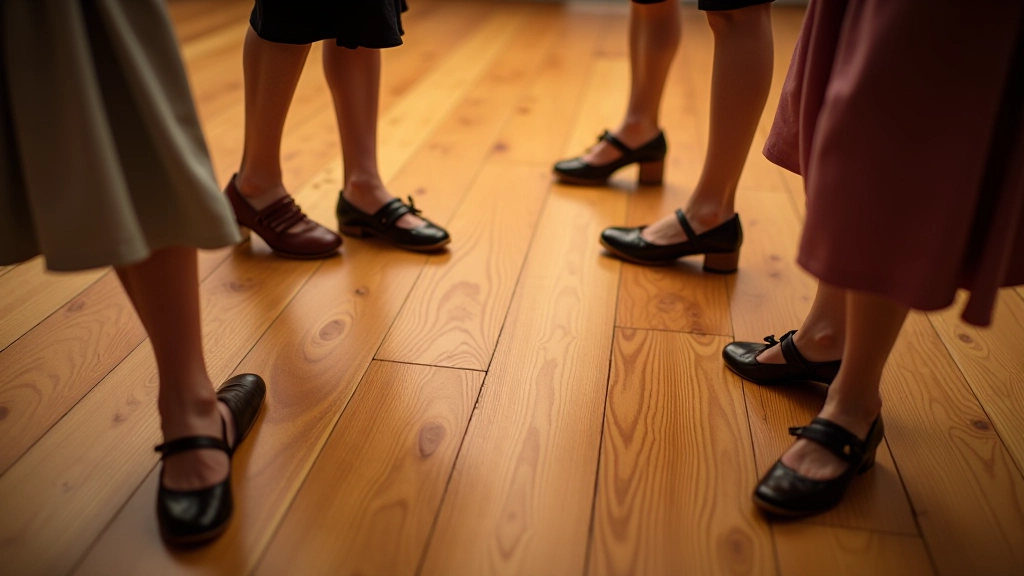

The most common entry-level pattern in traditional Klaipėda groups is what we call the "step-step-pause" sequence. Don't let the name fool you—there's no actual pause. It's more like: step on beat one, step on beat two, shift weight or prepare on beats three and four. That's one full measure in 4/4 time.
What makes this pattern so useful is that it repeats. You do it once, then you do it again. And again. For most beginner pieces, you're repeating this same pattern for 16, 32, or even 64 beats. The repetition is actually your friend because it means your body can lock into the rhythm without your brain having to think about it.
Pro tip: Don't try to add style or flourish to the basic pattern until you can do it without thinking. Seriously. Get the rhythm locked in first. The style comes later when your feet already know where they're going.
Here's something that trips up beginners: they focus so hard on counting that they stop listening to the music. The music isn't just a backdrop—it's the actual instruction. The rhythm pattern is built into the melody. When you hear a traditional folk song, you're hearing layers. The main melody carries the primary beat. Underneath, there's often a steady drum or percussion line that keeps everyone together. And then there's the harmonic structure that tells you when phrases begin and end.
In group training, dancers who can hear these layers move with much better timing than those who just count. They anticipate direction changes because they hear where the music is heading. They recover faster from mistakes because they're listening ahead, not just reacting to the beat they're on right now.
This is why we recommend spending time just listening to traditional Klaipėda recordings outside of class. Twenty minutes a day while you're doing something else—cooking, working out, walking. Let your brain start recognizing the patterns without the pressure of having to move to them.
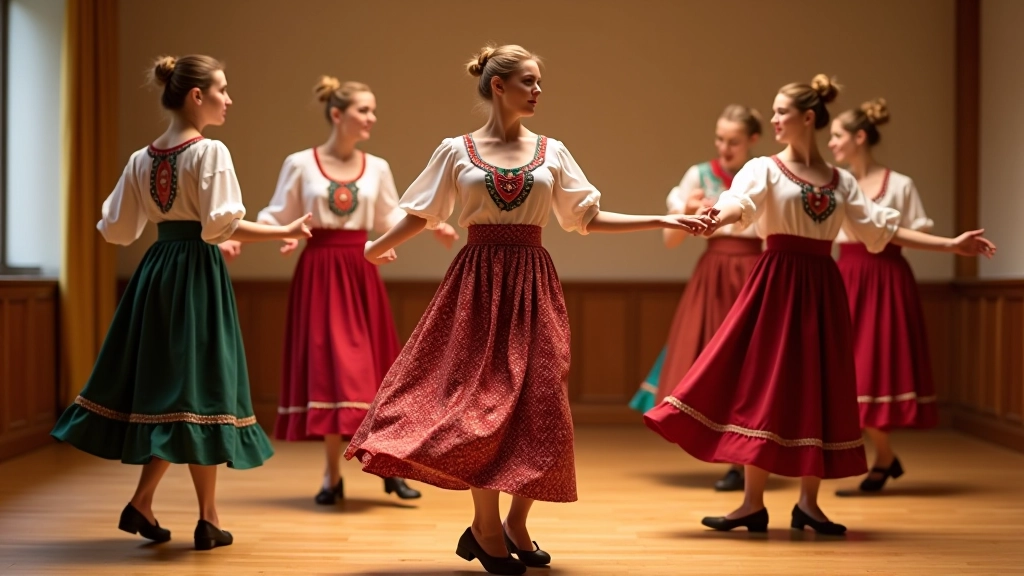
Learning Note: Individual learning outcomes vary from person to person. Some dancers pick up rhythm patterns in a few weeks, while others benefit from a few months of consistent practice. There's no "normal" timeline—everyone's body learns at its own pace.
Understanding rhythm patterns doesn't happen overnight, and that's fine. You're building a skill that combines listening, counting, muscle memory, and group awareness all at once. Start with one pattern. Get it solid. Then add another. Don't rush to look fancy before you've got the foundation locked in.
The best dancers we see aren't the ones who learned fastest—they're the ones who invested time in really understanding the rhythm instead of just memorizing steps. Once you've got that understanding, everything else builds naturally. Your timing improves. Your group coordination gets sharper. You'll actually start enjoying the music instead of fighting it.
Ready to move forward with your training?
Explore Footwork Fundamentals
The three most common mistakes beginners make with their feet—and exactly how to fix them.
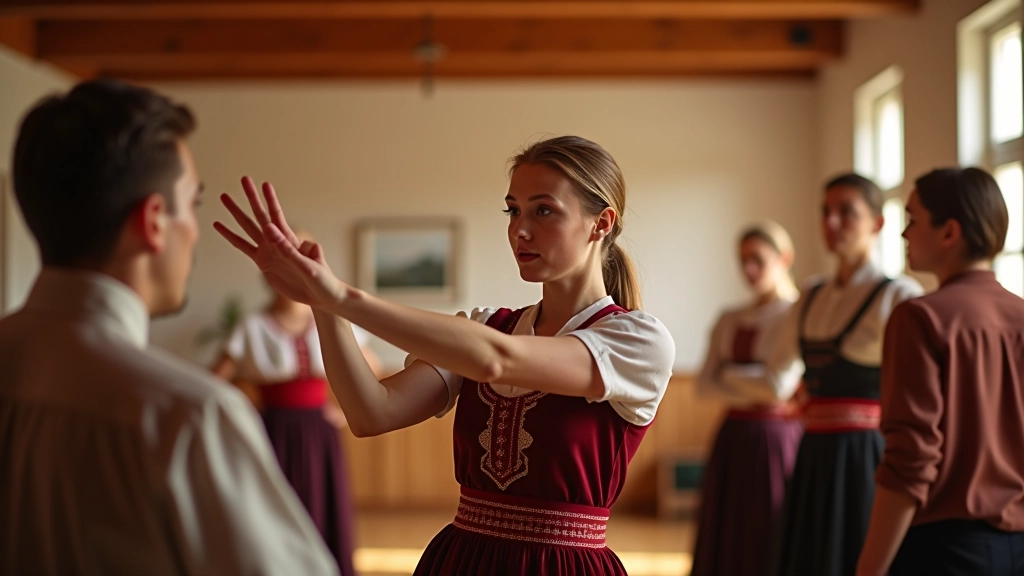
Your posture makes or breaks your dance technique. Here's what good alignment looks like.
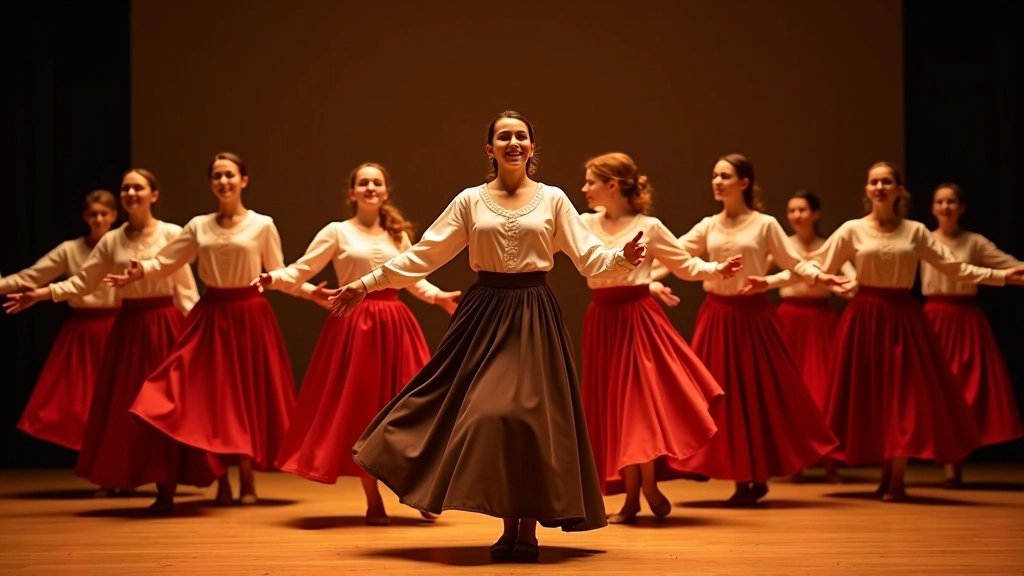
Solo drills are just the beginning. Learn how to sync your movements with others.